Most rooms don't look off because of one big problem. They look off because of small choices that feel accidental. A recent HomeDecor roundup, originally reported by Yahoo, lists five styling mistakes interior designers reportedly notice right away, from limp throw pillows to backwards books. By the end of this guide, you'll know how to spot each one in your own home and what to do about it.
The common thread is that a home looks better when choices feel intentional, personal, and properly scaled. Here are the five, with ways to put that idea into practice.
1. Hanging Too Many Small Pieces of Art
A wall dotted with lots of little frames can read as scattered, especially over a sofa or bed where there's plenty of space to fill. The issue is scale: small pieces don't hold up against a big wall.
Try this:
- Swap a cluster of tiny frames for one larger piece that suits the wall.
- If you love your small pieces, group them tightly so they act as a single unit rather than a scatter.
- Stand back across the room and ask whether the art looks sized for the space or just placed on it.
2. Relying on So-So Pillows
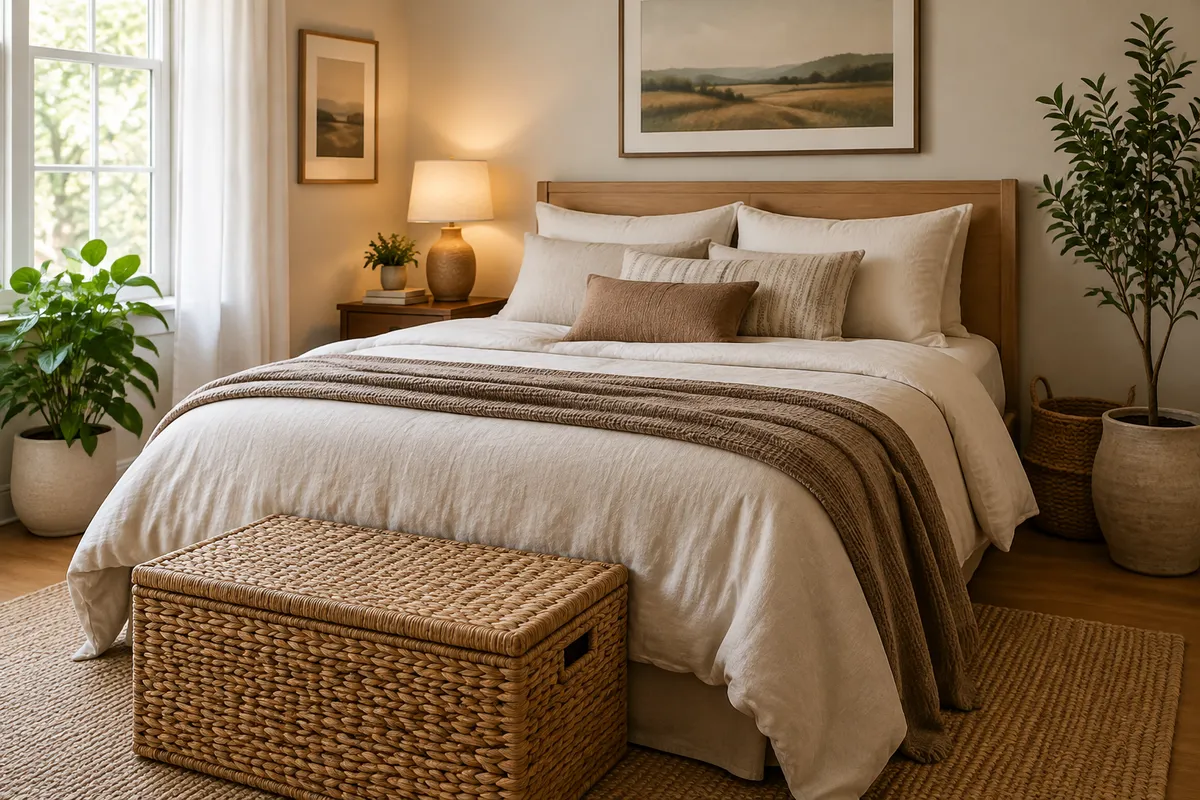
The source flags limp, forgettable throw pillows as a giveaway. Pillows are one of the cheapest ways to change how a sofa looks, which is why weak ones stand out.
Try this:
- Take a hard look at the pillows you own. If they're flat, sad, or only there because they came with the couch, they're candidates for replacement.
- Upgrade a few rather than buying a whole new set. A sofa can look more expensive with just a couple of better choices.
- Choose pillows you actually like, not ones that merely avoid offending anyone.
3. Choosing Mass-Market Art Only
There's nothing wrong with affordable prints. The mistake is relying on mass-market art alone, which can make a room feel like a copy of every other room. This ties into a broader shift toward personality-driven interiors, vintage finds, and meaningful decor over copy-paste trends.
Try this:
- Mix in something with a story: a vintage find, a piece connected to a place you've been, or something that matters to you.
- Keep the budget pieces you like, but let at least one item on the wall be unmistakably yours.
- Ask of each piece, "Did I choose this, or did I just fill the space?" The answer tells you where to focus.
4. Turning Books Backwards
Books with the pages facing out are a styling move some people use for a uniform, neutral look. According to the roundup, designers spot this one quickly. It hides the one thing that makes a bookshelf personal: the actual books.
Try this:
- Turn them around so the spines show.
- Let your real reading life show. A shelf of books you've read says more about you than a wall of blank pages.
- This is about the easiest fix on the list. It takes a minute and costs nothing.
5. Treating Every Shelf the Same with Trendy Items
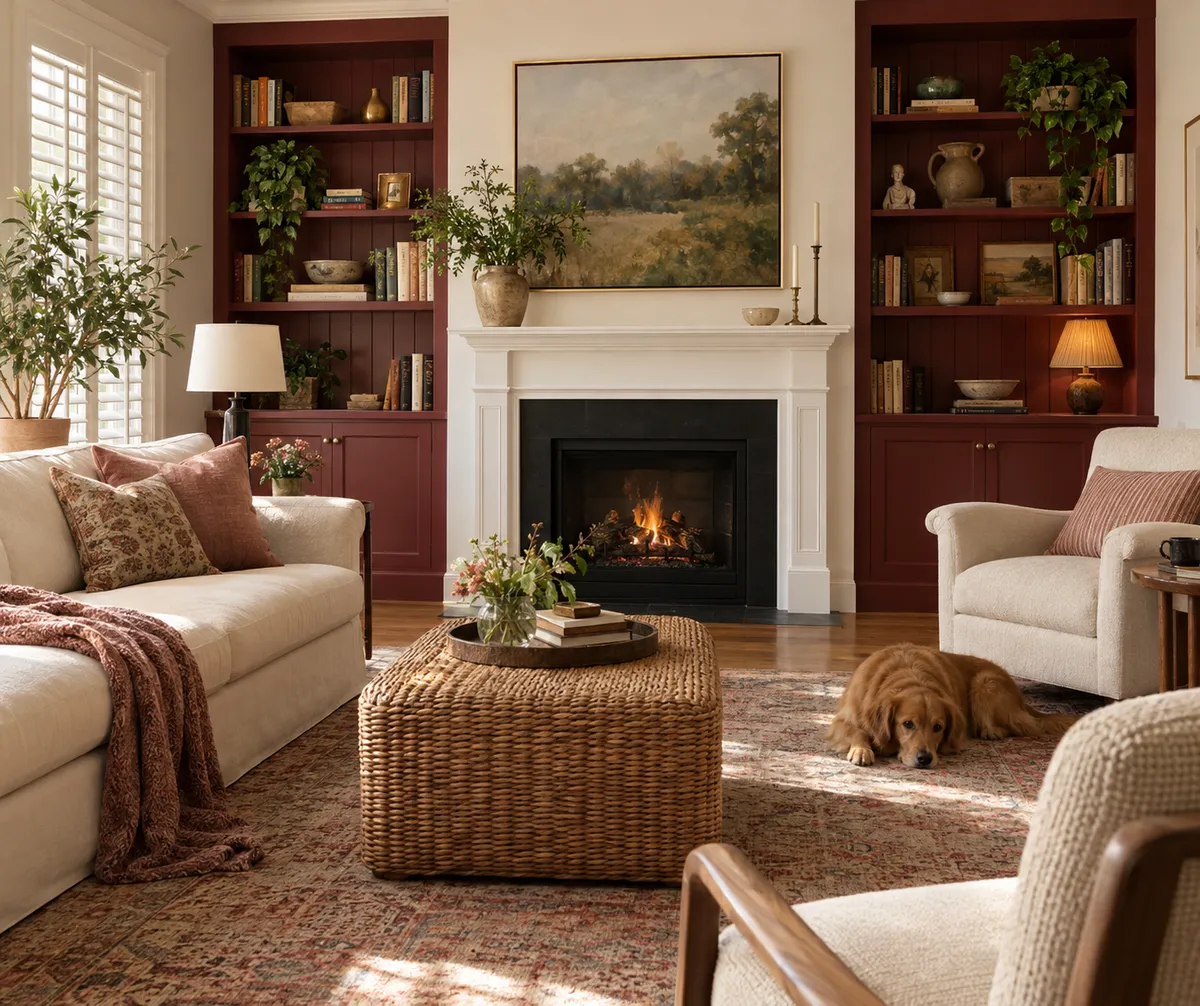
When every shelf gets the same trendy objects arranged the same way, the result looks like a catalog page rather than a home. Homes styled for social media, as the roundup notes, risk looking generic instead of lived-in.
Try this:
- Give each shelf its own job instead of repeating one formula top to bottom.
- Mix personal objects in with the decorative ones, such as things you've collected or inherited.
- Edit out anything you added only because it's popular right now.
Run a Quick Designer Audit
You don't need a full redo. Walk through one room and check it against the five points:
- Is the art scaled to the wall?
- Do the pillows earn their spot?
- Is there at least one piece that isn't mass-market?
- Are the books facing the right way?
- Does each shelf have its own character?
Pick the single mistake that shows up most in your room and fix that one this weekend. A polished-looking home usually starts with one deliberate change, not a shopping spree.