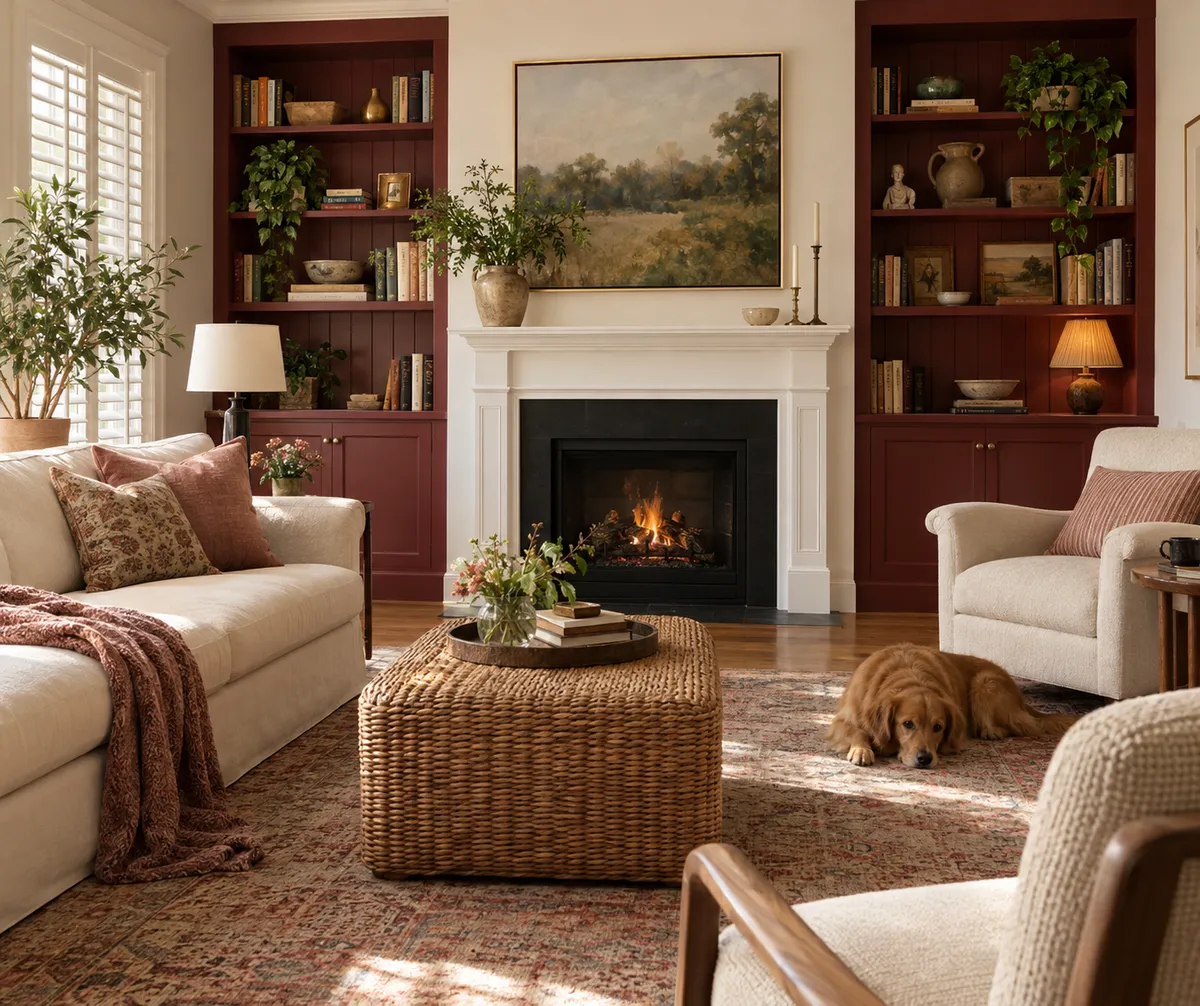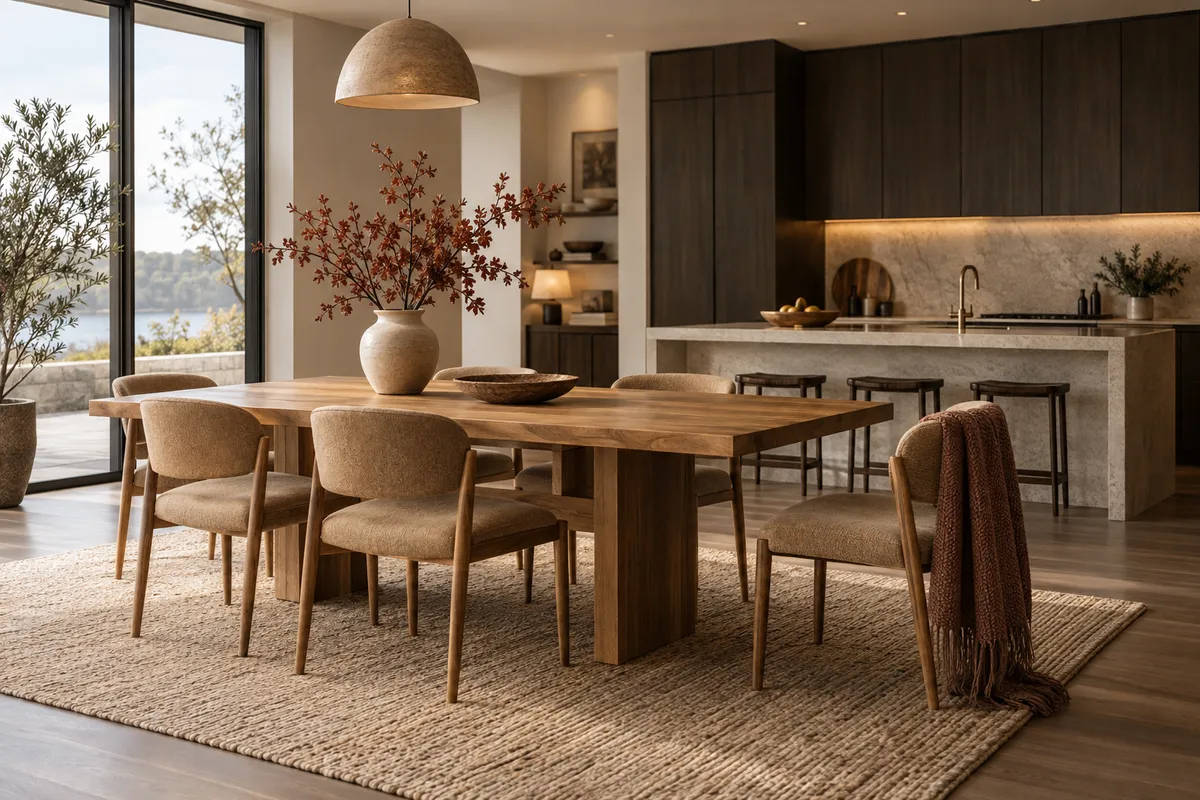
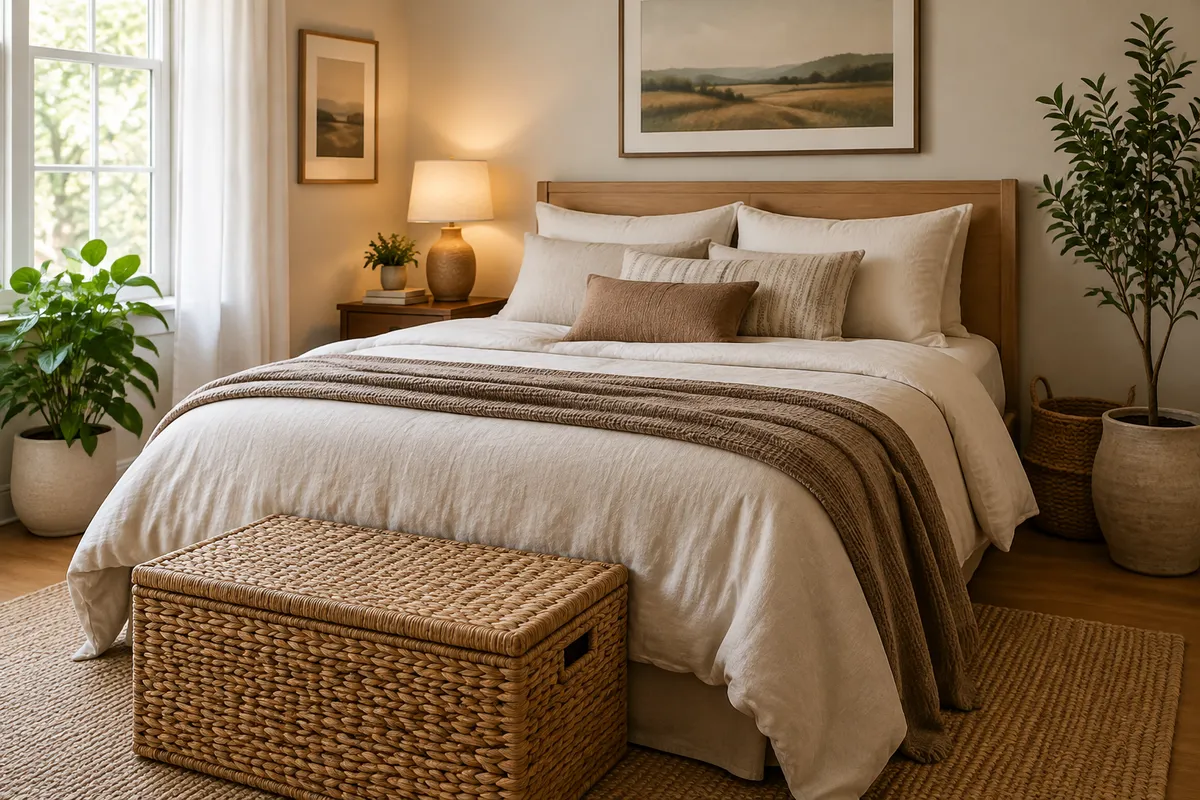
BuzzFeed Shopping recently published a roundup of 28 affordable Target items meant to help you build a dream bedroom without overspending. The pitch, in the piece's own description, is that a major room upgrade doesn't require major spending. We can't reproduce the individual picks here, so this guide does something more useful: it shows you how to use any budget shopping list, Target's or otherwise, so your money goes where it changes the room most.
By the end, you'll have a spending order, a few rules for keeping the total low, and a way to avoid the classic trap of buying twelve cute things that never add up to a bedroom.
Start With What You Touch and See Most
A bedroom has a few jobs: sleeping, relaxing, and getting dressed. Upgrades tied to those jobs pay off daily. Decor that only sits on a shelf pays off less.
That gives you a simple priority order:
- Bedding. The bed is the largest visual surface in the room and the thing you actually feel.
- Lighting. It sets the mood and changes how everything else looks.
- Storage. Clutter makes even a well-decorated room feel unfinished.
- Small decor swaps. Art, pillows, a plant, a mirror. These are the finishing layer.
This mirrors the practical transformations the BuzzFeed-style roundup leans on: better lighting, cozier bedding, smarter storage, and small decor swaps.
Bedding: The Biggest Visual Return
If you only fix one thing, fix the bed.
Pick a palette before you shop
Choose two or three colors and stick to them. A base (white, cream, gray, or navy), one softer neutral, and one accent is plenty. Matching tones make inexpensive pieces look intentional.
Layer instead of replacing everything
You don't need a whole new setup. A new duvet cover or quilt over your existing insert, plus two fresh pillow covers, changes the look for a fraction of the cost of a full set. Covers are also easy to wash and swap seasonally.
Mix textures
One smooth layer, one chunky or knit layer, one soft layer. Texture is what makes budget bedding read as cozy rather than flat.
Lighting: Fix the Overhead Glare
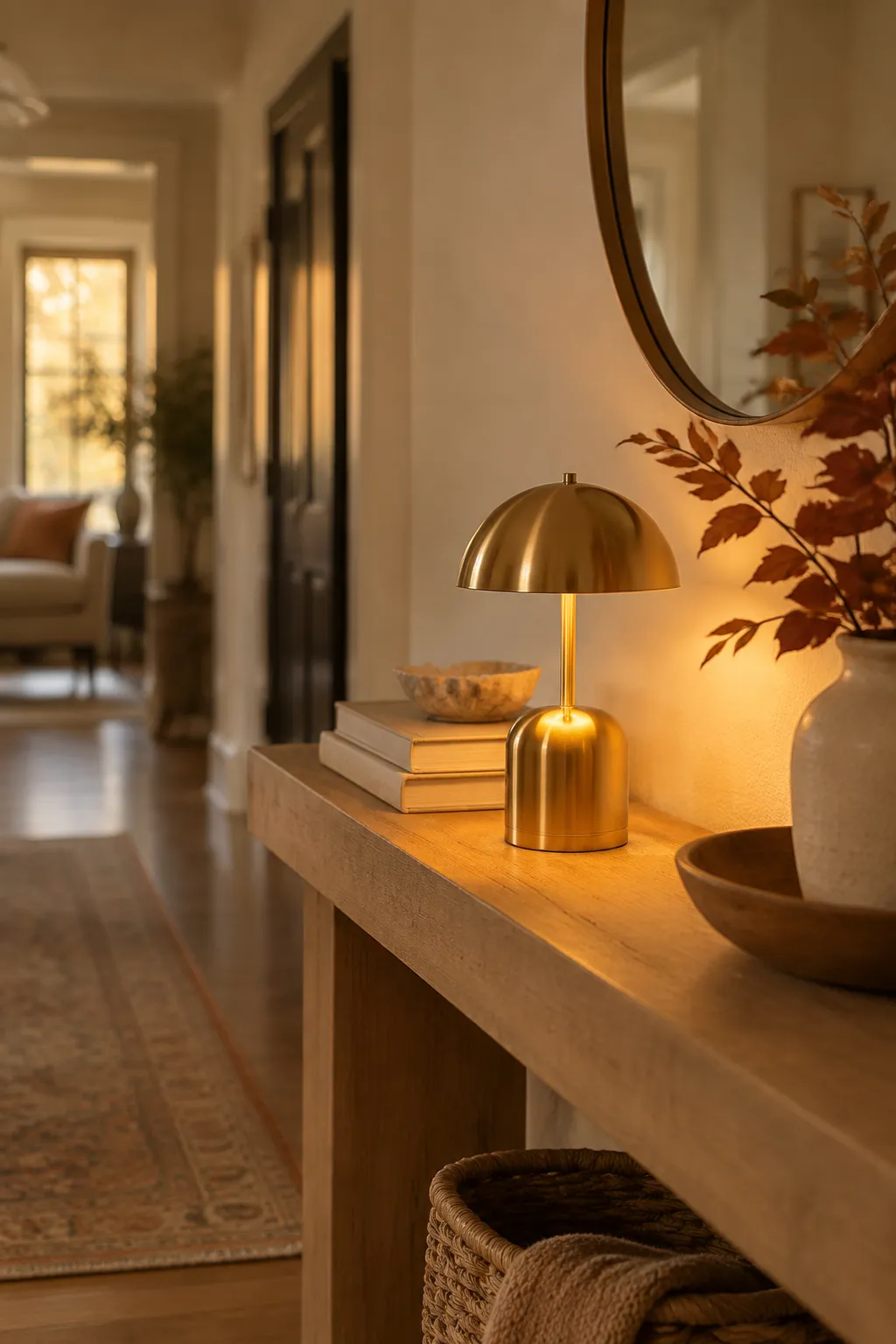
A single harsh ceiling light is the fastest way to make a bedroom feel like a waiting room. Aim for at least two other light sources at different heights.
- A bedside lamp or two. Put them at roughly eye level when you're sitting up in bed.
- Warm bulbs. Look for bulbs labeled warm white (around 2700K). It's often the cheapest upgrade you can make, and it works with lamps you already own.
- One accent source. A small table lamp on a dresser or a string light along a headboard wall adds depth without rewiring anything.
Renters can do all of this with plug-in options, so nothing needs to be installed or patched later.
Storage: Make the Room Look Calmer
Visible clutter is the quiet budget-killer. A beautifully styled bed beside a pile of laundry still looks messy.
Focus on storage that does double duty:
- Under-bed bins or boxes for off-season clothing and extra linens.
- A basket or hamper you'd be happy to leave in view.
- Hooks or a over-door organizer for bags, robes, and accessories.
- A tray on the nightstand to corral the small stuff.
The goal isn't to buy more containers. It's to give every stray item a home, so surfaces can stay clear.
Small Decor Swaps That Look Expensive
Once the big three are handled, add the details. Keep it restrained.
- Frame something you already own. Photos, postcards, or a fabric scrap in matching frames look curated.
- Add a mirror. It bounces light around and makes a small bedroom feel larger.
- Bring in something living. A plant, real or good faux, softens straight lines.
- Swap hardware. New knobs on a dresser can make an old piece look new.
Stick to odd numbers when grouping items on a surface. Three objects of different heights usually look better than two or four.
Set a Price Cap and Shop in Rounds
Budget shopping goes wrong when everything lands in the cart at once. Try this instead.
- Set a total. Something like $100 is a useful challenge, and a cap is a common way budget makeovers are framed. Choose whatever number suits you.
- Split it by priority. Give the largest share to bedding and lighting, a smaller share to storage, and the remainder to decor.
- Buy in rounds. Order the bedding first, live with it for a few days, then decide what the room still needs.
- Measure first. Check your nightstand width, bed size, and wall space before you add anything to the cart.
- Check return policies. Colors look different at home than on a screen, so keep the option to send something back.
Renter-Friendly Rules
Budget retailers like Target are popular with renters, students, and first-apartment shoppers, and the same logic applies there: prefer changes that leave no trace.
- Use freestanding lamps, not wired fixtures.
- Lean framed art against the wall or use removable hanging strips, if your lease allows.
- Choose a rug to define the sleeping area and cover dull flooring.
- Hang curtains on a tension rod if you can't drill.
How to Read Any 28-Item Roundup
A long list like BuzzFeed's is best treated as a menu, not a shopping order. Scan it for the few items that match your priority list, skip the rest, and resist buying something just because it's cheap. A $12 item you don't need is more expensive than a $40 item you use every night.
Open your bedroom, pick the one thing that bothers you most, whether it's the lighting, the bed, or the clutter, and fix that first.